
What this covers
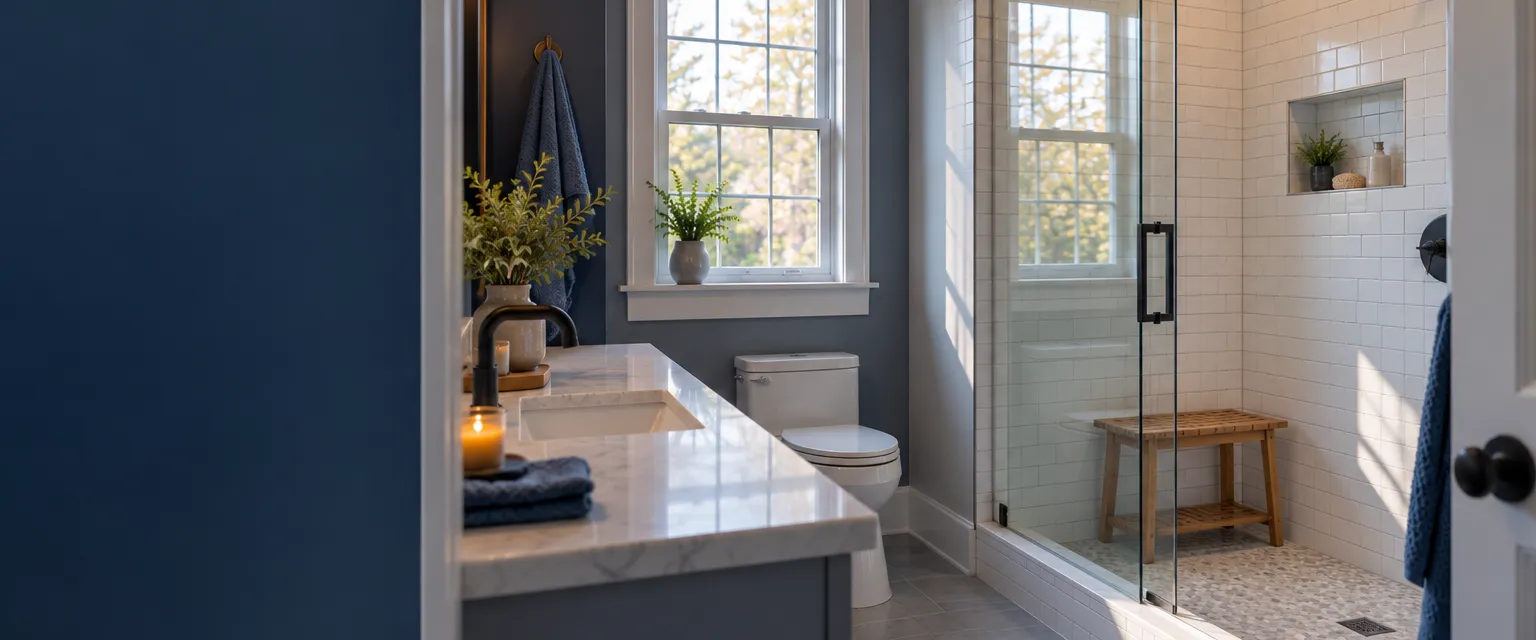
A conversion removes the bathtub and builds a shower in the alcove it occupied. The drain is moved or resized, the walls are opened for the valve, the floor and walls are waterproofed, and the shower is finished in tile or a prefabricated system with a low curb or none at all. A glass door or a curtain rod completes it.
When to call
- A tub nobody uses, or one that is hard to step over.
- A cracked or stained tub surround that leaks.
- A wish for a shower that is easier to enter and clean.
What to expect
- PlanCurb height, door type, tile or panel system, and whether a bench or niche is wanted.
- Remove and rough-inThe tub and surround are removed. The drain and valve are adjusted by a licensed plumber and inspected.
- Waterproof and buildThe pan and walls are waterproofed and tested, then tiled or paneled.
- FinishFixtures, door or curtain, and trim are installed, then a walk-through.
Get a certified company
Look up a certified company by ZIP code. Every company's license, insurance and trades are verified before it is listed, and placement is never paid.
Questions people ask
Does removing the only tub matter?
Some families and future buyers want at least one tub. The company can discuss keeping a tub elsewhere if that matters to you.
Tile or a panel system?
Tile allows any layout and look. Panel systems install faster with fewer joints. Both need proper waterproofing underneath.
Can the shower have no curb?
Often, if the floor structure allows the drain to be recessed. The company checks this before quoting the design.
Related: Walk-in shower installation · Bathroom remodeling · Aging-in-place remodeling · All remodeling
This page describes what the service involves. The company you hire sets the scope, the schedule and the price, and your contract is with that company. We verify credentials and collect reviews from real jobs. We do not guarantee any company's workmanship. Safety steps are general guidance. When in doubt, leave the home and call 911.